Skip to content

Choosing how to watch television in the UK has become a complex decision. With traditional broadcasters and newer digital platforms competing for attention, viewers must weigh factors like content variety, streaming quality, and cost-effectiveness. This guide explores two popular options for accessing British programmes, helping audiences determine which service aligns with their viewing habits.
The first option provides free access to catch-up TV and live channels through an ad-supported model. Its content library focuses on recent shows from a single broadcaster, ideal for viewers prioritising familiar British series. The second approach uses internet-based delivery to offer a broader selection of global and local channels, often requiring a subscription fee.
When evaluating these services, consider device compatibility. Most modern smart TVs and mobile devices support both platforms, though some may require additional hardware. Streaming performance varies depending on internet speeds, with HD content demanding at least 5Mbps for smooth playback.
Key Takeaways
- Free services typically feature advertisements, while paid options offer ad-free viewing
- Content availability differs significantly between single-broadcaster platforms and multi-channel providers
- Subscription costs range from licence-free access to premium packages exceeding £15 monthly
- Mobile viewing capabilities vary by platform, with some restricting simultaneous device usage
- Geographical restrictions may apply to certain content based on UK broadcasting rights
Introduction to British TV and Streaming Evolution
Over the past decade, UK television has evolved from scheduled broadcasts to instant access streaming. Traditional cable and satellite services once ruled living rooms, but high-speed internet connections have rewritten the rules. Recent Ofcom research reveals over 70% of British households now use internet-based television services, marking a cultural shift in how programmes reach screens.
Viewers no longer plan evenings around fixed TV schedules. Demand for on-demand shows and personalised content has driven this change, with 83% of UK adults regularly using streaming platforms. The convenience of watching favourite series anytime on smartphones, tablets, or smart TVs has become non-negotiable for modern audiences.
This transformation impacts more than viewing habits – it’s reshaping production and distribution models. Broadcasters now prioritise digital-first strategies, while original content creation surges to meet 24/7 consumer demand. The days of waiting for weekly episodes feel increasingly archaic as binge-watching culture thrives.
British households still maintain traditional television services in 42% of cases, often complementing them with streaming options. This hybrid approach allows access to live events through satellite or cable while enjoying the flexibility of internet-based content. As connectivity improves nationwide, this balance continues tipping towards digital solutions.
Understanding Internet Protocol Television (IPTV)
Modern television consumption has undergone a radical transformation through digital delivery systems. Unlike conventional methods relying on satellite dishes or coaxial cables, this approach harnesses internet infrastructure to revolutionise viewing experiences.
What is Internet Protocol Television?
Internet Protocol Television transmits programmes via managed IP networks rather than traditional broadcast signals. Content resides on secure servers before being converted into data packets for instant delivery. This system supports three main formats: live broadcasts, scheduled replays, and on-demand viewing libraries.
The technology differs fundamentally from standard streaming services. Providers maintain private networks to ensure consistent quality, minimising buffering during peak hours. Users access material through set-top boxes or compatible devices using existing broadband connections.
How the Technology Operates
Central servers store vast video libraries and process real-time broadcast feeds. When viewers select content, these servers package the data into internet protocol formats. The information travels through fibre-optic or copper networks before reaching decoders in homes.
Key advantages over cable and satellite systems include:
- Simultaneous access across multiple devices
- Interactive programme guides with search functions
- Personalised recommendations based on viewing history
This architecture allows providers to update content libraries instantly while maintaining transmission stability. Most services require minimum download speeds of 10Mbps for HD quality, adapting automatically to connection capabilities.
The Rise of ITV Hub in the UK
British viewers have reshaped television consumption through digital platforms offering instant access to missed programmes. Leading services now combine traditional broadcasting with modern streaming capabilities, creating hybrid models that cater to evolving preferences.

Key Features and Services
One prominent platform in this space provides seven days of catch-up content across multiple channels, including popular dramas and live sports events. Its library boasts over 5,000 hours of on-demand material, ranging from classic series to recent blockbuster movies. BARB research confirms that 1 in 5 UK viewers now regularly use such services to watch programmes after their initial broadcast.
The service distinguishes itself through device flexibility, working seamlessly across smartphones, tablets, and smart TVs. Unlike some competitors, it offers both free and subscription tiers, with premium members enjoying ad-free streaming and exclusive content. Recent additions include 4K UHD sports coverage, responding to growing demand for high-quality live events.
“Catch-up viewing now accounts for 20% of all television consumption in Britain, reflecting fundamental changes in how audiences engage with content.”
Major broadcasters have followed this trend, with platforms like BBC iPlayer and All 4 expanding their offerings. These services collectively host thousands of shows while maintaining distinct specialisations – from reality TV formats to in-depth news analysis. Their success demonstrates how traditional networks adapt to compete with global streaming providers.
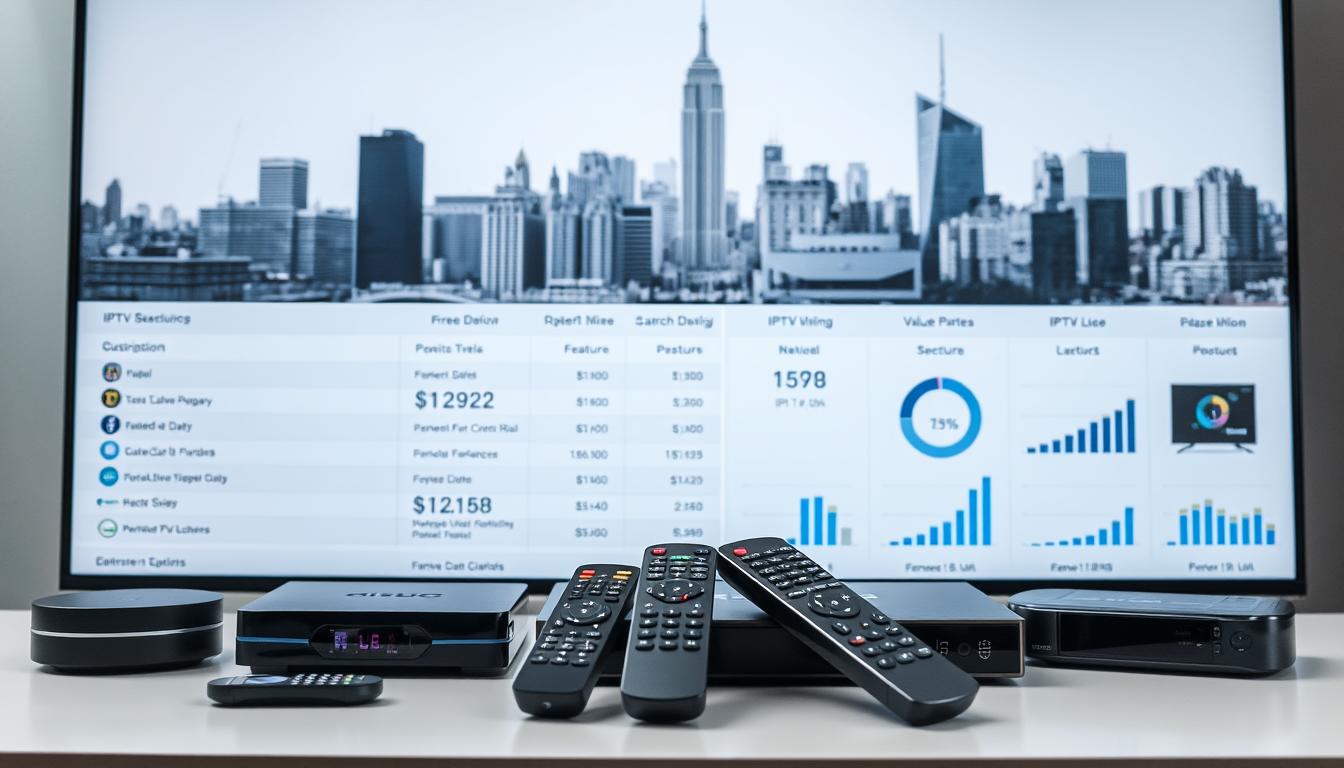
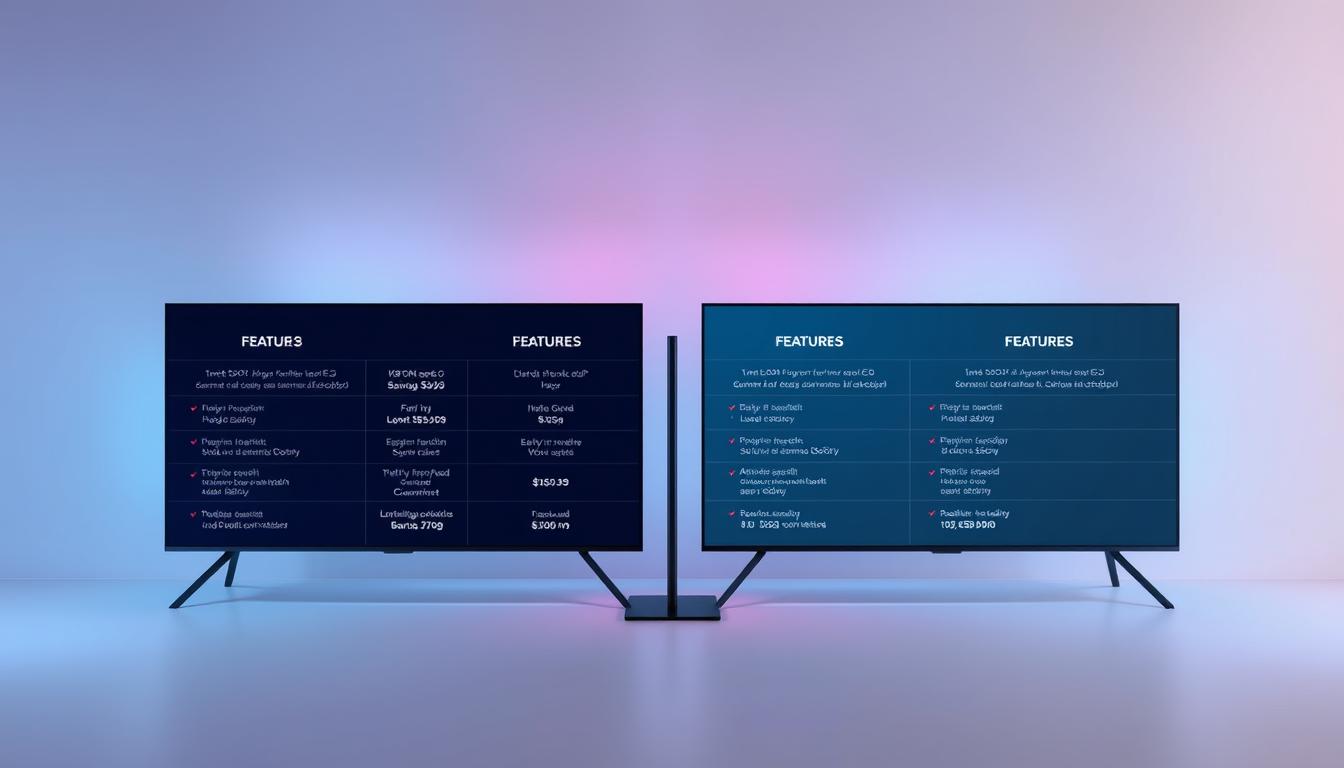
itv hub vs iptv: A Detailed Comparison
British audiences face distinct viewing experiences when choosing between catch-up platforms and managed television services. These options cater to different priorities, from budget-conscious viewing to comprehensive channel bundles.

Service Models and Delivery Methods
The catch-up platform operates through standard broadband connections, prioritising accessibility over specialised hardware. Viewers can watch recent shows from a single broadcaster without subscriptions, though adverts appear regularly. This contrasts with managed television providers that combine live broadcasts with on-demand libraries through dedicated networks.
Content availability varies dramatically between services. Free platforms focus on seven-day catch-up and limited live channels, while paid alternatives offer hundreds of global stations. Premium packages often include sports coverage and first-run films unavailable elsewhere.
Monetisation strategies further differentiate these models. Ad-supported streaming sustains free access, whereas subscription tiers remove commercials and unlock exclusive material. Managed providers typically charge monthly fees based on channel selections, mirroring traditional cable satellite approaches.
Quality consistency proves another key differentiator. Closed-network services maintain stable HD streams through controlled bandwidth allocation. Open internet platforms sometimes struggle during peak hours, particularly with live sports or high-demand shows.
Device support reveals contrasting philosophies. The catch-up service works across smartphones, tablets, and smart TVs without extra equipment. Managed alternatives often require set-top boxes but deliver integrated programme guides and recording features.
Setting Up Your IPTV Service in the UK
Establishing a reliable television service through internet protocols requires careful setup considerations. Whether opting for professional assistance or DIY installation, proper configuration ensures seamless access to your favourite programmes.
Step-by-Step Installation Process
Begin by selecting a service provider offering packages matching your viewing preferences. Most UK companies provide:
- Pre-configured set-top boxes with HDMI cables
- Detailed connection guides for routers and televisions
- 24-month broadband speed guarantees
Professional installers typically complete setup in under two hours, positioning equipment for optimal signal reception. Self-installation involves three key steps:
- Connect your box to the television and broadband router
- Follow on-screen activation prompts
- Download companion apps for mobile devices
Troubleshooting Connection Issues
Common streaming problems often relate to internet connection stability. Before contacting support:
- Check broadband speeds exceed 10Mbps
- Restart your router and television box
- Verify ethernet cable connections
Most providers offer real-time diagnostics through their apps. Persistent issues may require router upgrades or specialist engineer visits. Remember to consult your electronic programme guide for service-specific tips during setup.
Benefits and Flexibility of IPTV Viewing
Personalised viewing experiences are redefining how UK residents engage with television content. Services now adapt to hectic lifestyles through multiple delivery formats, putting viewers in control of their entertainment schedules. This shift reflects Ofcom data showing 60% of adults regularly use on-demand platforms.
Tailored Content Access Across Formats
Three main approaches dominate modern television consumption. Live streaming maintains the thrill of real-time events, while catch-up services store programmes for up to 30 days. Video on demand (VoD) platforms like BBC iPlayer host extensive libraries, accessed by 35 million Britons last year.
The average user spends two hours daily exploring these options. Unlike traditional broadcasts, there’s no need for manual recording – content remains available through provider servers. This flexibility proves invaluable for households juggling work, education, and leisure.
Recent developments prioritise viewer convenience across devices. Smartphone users can switch between live sports and downloaded shows seamlessly. With 4K streaming becoming standard, picture quality matches cinema experiences without rigid timetables.
FAQ
What’s the difference between ITV Hub and internet protocol television services?
ITV Hub is a free, ad-supported platform offering catch-up content and live broadcasts from ITV channels. Internet protocol television (IPTV) uses broadband to deliver live TV, on-demand shows, and films through third-party providers, often requiring a subscription.
Can I watch BBC iPlayer or Sky Go through IPTV?
Most IPTV services don’t include licensed UK platforms like BBC iPlayer or Sky Go. These require separate subscriptions. However, some providers bundle IPTV with access to international channels, sports, or films not available on free-to-air services.
Do I need a set-top box to use IPTV in the UK?
Not necessarily. While some services work with dedicated boxes, many IPTV providers support apps on smart TVs, smartphones, or streaming devices like Amazon Fire Stick. A stable broadband connection is essential for smooth streaming.
How reliable is IPTV compared to traditional satellite or cable?
Reliability depends on your broadband speed and provider quality. Unlike satellite or cable, IPTV streams can suffer from buffering during peak times. Reputable providers use robust servers to minimise disruptions, making it competitive with conventional TV.
Are there legal concerns with using IPTV services?
Yes, if the provider lacks proper licensing for the content they offer. Always choose services that comply with UK broadcasting regulations. Free platforms like ITV Hub or All 4 are fully legal, while unauthorised IPTV providers may infringe copyright laws.
Can I access on-demand films and series with IPTV?
Absolutely. Many IPTV services include video-on-demand libraries alongside live channels. This feature rivals catch-up services like ITV Hub but often provides a broader selection, including international films and box sets not available on free platforms.
What internet speed is required for HD streaming via IPTV?
A minimum of 10 Mbps is recommended for HD quality. For 4K content, speeds above 25 Mbps ensure smooth playback. Always test your broadband connection before subscribing, as slower speeds may lead to buffering or lower resolution.